Cocaine
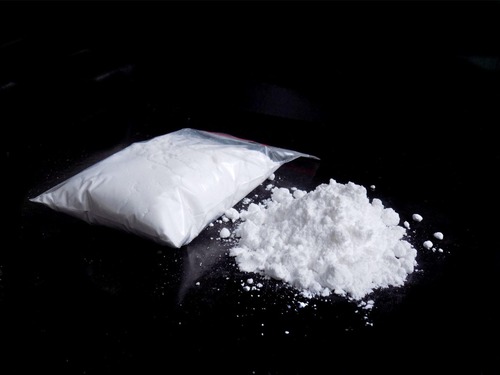
What is it?
Cocaine (also known as coke, coca, snow, ski, blow, white, nose candy) is a psychostimulant drug used as an anesthetic and recreational drug. Cocaine comes in powder and freebase forms. Freebase cocaine is known as "crack cocaine". Cocaine can be snorted, smoked, injected, or taken orally. It is the second most widespread substance in the world behind cannabis. Its effects are similar to amphetamines, but with a much shorter high.
What are the effects of cocaine?
Common effects of cocaine include:
- Stimulation
- Appetite suppression
- Euphoria
- Disinhibition
- Motivation enhancement
- Ego inflation
- Alertness
- Increased heart rate
- Vasoconstriction
What are the potential risks?
Cocaine is a very risky drug that can cause detrimental health problems.
Potential risks of cocaine use include:
- Addiction
- Mood swings
- Paranoia
- Insomnia
- Aggression
- Psychosis
- High blood pressure
- Heart attack
- Stroke
What can I do to minimize harm while using cocaine?
You can, and should, take precautions when using cocaine.
Firstly, you should start out with a lower dose. Doses of as little as 30mg have been lethal. Start low, go slow.
Track your doses and the times you take them.
Then you wanna test your supply to make sure you got what you want.
Fentanyl has appeared in cocaine before, so you should test for fentanyl.
Use the Morris, Marquis, Liebermann, and Mecke reagents.
The Morris reagent is the only one that can positively identify cocaine.
When it comes to routes, try using a safer route such as smoking or snorting instead of injecting.
When snorting, use saline spray before, during, and after to reduce damage to sinus cavities.
Also avoid sharing banknotes or sniffing straws as sharing can spread Hepatitis C and other diseases.
Use post-it notes or a personal snorting straw.
If you do choose to inject, take proper precautions such as using sterile needles, not sharing needles, and rotating injection sites.
Also keep in mind that crack cocaine produces a much more intense high, which increases compulsive redosing.
On top of all of this, you should make sure you're getting good sleep, staying hydrated, eating well, and avoiding frequent use by taking breaks.