Methamphetamine
What is it?
Methamphetamine (also known as meth, crank, ice, glass, crystal, ma, tina, yaba) is a potent, long-lasting psychostimulant of the
amphetamine class. Medically, it is used to treat ADHD. Recreationally, it is used as an euphoriant, preformance enhancer, and aphrodisiac.
It can be smoked, snorted, injected, or taken orally ("parachuting").
While chemically similar to amphetamine, meth contains an additional methyl substitution that allows it to break through the blood brain barrier faster.
This causes it to have an earlier onset and a longer high.
Parachuted amphetamine has an onset of 30-45 minutes and a high lasting 6-8 hours.
Parachuted methamphetamine has an onset of 15-45 minutes and a high lasting 8-12 hours.
What are the effects of methamphetamine?
Common effects of methamphetamine include:
- Stimulation
- Euphoria
- Motivation enhancement
- Stamina enhancement
- Ego inflation
- Sociability
- Bruxism
- Dry mouth
- Muscle twitching
- Increased heart rate
- Appetite suppression
- Vasoconstriction
What are the potential risks?
Methamphetamine is a very addictive drug that can lead to detrimental health issues.
Potential risks of methamphetamine use include:
- Addiction
- Neurotoxicity
- Mood swings
- Paranoia
- Insomnia
- Aggression
- Psychosis
- Dental health issues
- High blood pressure
- Heart attack
- Stroke
What can I do to minimize harm while using meth?
You can, and should, take precautions when using methamphetamine due to how intense it is on the body.
Firstly, you should start out with a lower dose. "Start low, go slow"
Track your doses and the times you take them.
Then you wanna test your supply to make sure you got what you want.
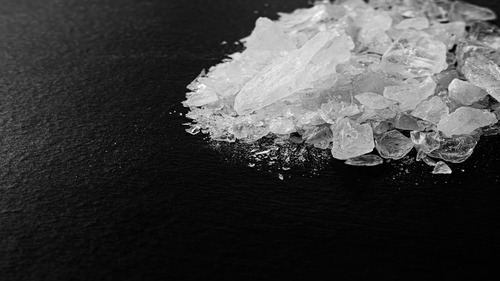
Fentanyl has appeared in powdered meth before, so you should test for fentanyl if your stuff consists of a powder rather than crystalline shards.
Use the Marquis, Liebermann, and Simons reagents.
If you can only afford one, get the Marquis test kit.
Get the Simon's reagents kit to tell apart methamphetamine from amphetamine.
When it comes to routes, try using a safer route such as smoking or parachuting instead of injecting.
If you do choose to inject, take proper precautions such as using sterile needles, not sharing needles, and rotating injection sites.
On top of all of this, you should make sure you're getting good sleep, staying hydrated, eating well, and avoiding frequent use by taking breaks.